Author: Skyloc

11March 2021

Smart Modular Dental Operatory: Redefining Dentistry with Automation, Eclectic Designing, and Highest Sterilization Standards

A Smart Modular Dental Operatory offers a flexible way to plan a clinic. Individual components can suit different layouts and future changes. However, the design must fit the actual room dimensions and services. First, review the space and your treatment needs. Then, compare the initial cost with maintenance and upgrade requirements. A modular approach may make later changes easier, depending on the installation.

Features of the smart modular dental operating room 

  • A model that promotes Enhanced Aesthetics  

Concealed wiring and pipes can give the room a tidy appearance. Pendant units can also keep selected equipment off the floor. As a result, the layout can provide clearer routes for staff and equipment. Confirm access for servicing before finalising the design.

  • A model that promotes Enhanced Health 

A Smart Modular Dental Operatory can support cleaning through smooth, easy-to-maintain surfaces. However, no room design guarantees a germ-free environment or complete air purity. Continue the required cleaning, maintenance and infection-control procedures. Also, select surfaces that suit the cleaning products your team uses.

  • Ergonomic design helping Seamless Workflow 

Ceiling-mounted lighting can support visibility in the working area. Ventilation and equipment placement also affect comfort. Therefore, plan the layout around the clinician, assistant and patient. Check that staff can reach controls without obstructing movement.

What are the main components of the Smart Modular Dental Operatory model? 

  1. Wall  

Wall options may include PU panels or finished masonry, depending on the project. Ask about surface finish, insulation and resistance to cleaning products. Also, request evidence for any special material claims. Confirm installation and maintenance requirements in the quote.

  1. Doors 

Door options may include sealed or hinged designs. Choose according to the room plan and technical requirements. Check the seal, opening space and cleaning access.

  1. Ceiling 

Ceiling options can include operation-theatre lighting, peripheral lights and HEPA filtration. Confirm the system design and maintenance needs for the proposed installation.

  1. Floor 

Vinyl flooring can provide a practical surface for the clinic. Check the finish, joints and resistance to cleaning products. In addition, ask about repair and replacement options.

  1. Ergonomic Equipment 
  • Wall-mounted options include monitors and X-ray viewers. Confirm the viewing position and service access.
  • The OT Lamp and sensory Lights hang from the ceiling with optimized ventilation. 
  • The dental chair is fully automated. The chair frame is rust-free, sturdy, with a microfibre
  • Model options may include programmed positions, instrument trays and foot controls. Also, compare headrest, backrest and armrest adjustments. 
  • Equipment options include suction, handpiece connectors and a three-way syringe. Confirm the included components for your selected chair. 
  • The autoclave is automated with seven sterilization cycles. A specialized surgical instrument trolley is provided. 
  • The x-ray unit is either wall-mounted or portable or comes with a stand. 
  • The x-ray viewing screen is twin-plated with high-frequency fluorescent lamps. The illumination across the front panel is uniform with controlled luminance. 
  1. Smart Features

Software options may support selected electrical controls and connected equipment. Patient records, inventory and maintenance functions may also be available. However, confirm compatibility and the exact scope before purchase. Finally, discuss your Smart Modular Dental Operatory requirements with Skyloc Dentec.
11March 2021

Does your Dental Office Redefine Safe Infection Control and Sterilization Protocols?

Dental infection control is a core part of planning and running a clinic. Patients need clear, consistent care routines. Staff also need suitable equipment and training. First, review the way your team handles instruments and prepares each room. Then, identify gaps in the process. A modern design can support this work, but it cannot guarantee an infection-free environment.


Here are a few aspects and practices that you need to consider to offer your patients a holistic well-being plan.


Positioning your clinic as a safe haven

A modular smart dental office can combine a planned layout with surfaces that are easier to maintain. Concealed services may also improve the appearance of the room. However, installation time and cost depend on the project. Confirm cleaning access, workflow and maintenance requirements before finalising the design.


  1. Following mandatory sterilization protocols

Consistent dental infection control requires clear procedures. Use the relevant guidance alongside each product’s instructions.

  • Choose CSSD products suited to your instruments and workload. Also, confirm their intended use.
  • Follow applicable requirements and established professional guidance. Keep current instructions available to the team.
  • Reprocess reusable instruments according to their validated instructions. See the CDC sterilization and disinfection guidance for an overview of device categories.
  • A barrier alone does not replace the required processing of a reusable device. Follow the instructions for the exact item.
  • Critical reusable instruments require appropriate sterilization. Check compatibility and the validated process before use.
  • Use single-use products for one patient only, then discard them appropriately. Do not reprocess them because of cost.
  • Instrument processing involves several steps. Therefore, document how staff contain, transport and handle contaminated items. Train the team in these procedures.
  • Clean instruments before disinfection or sterilization. Use suitable equipment and the product instructions. Also, provide the required protective equipment for staff.
  • After cleaning, inspect and prepare instruments as directed. Choose compatible packaging and sealing methods. Follow the instructions for both the packaging and sterilizer.
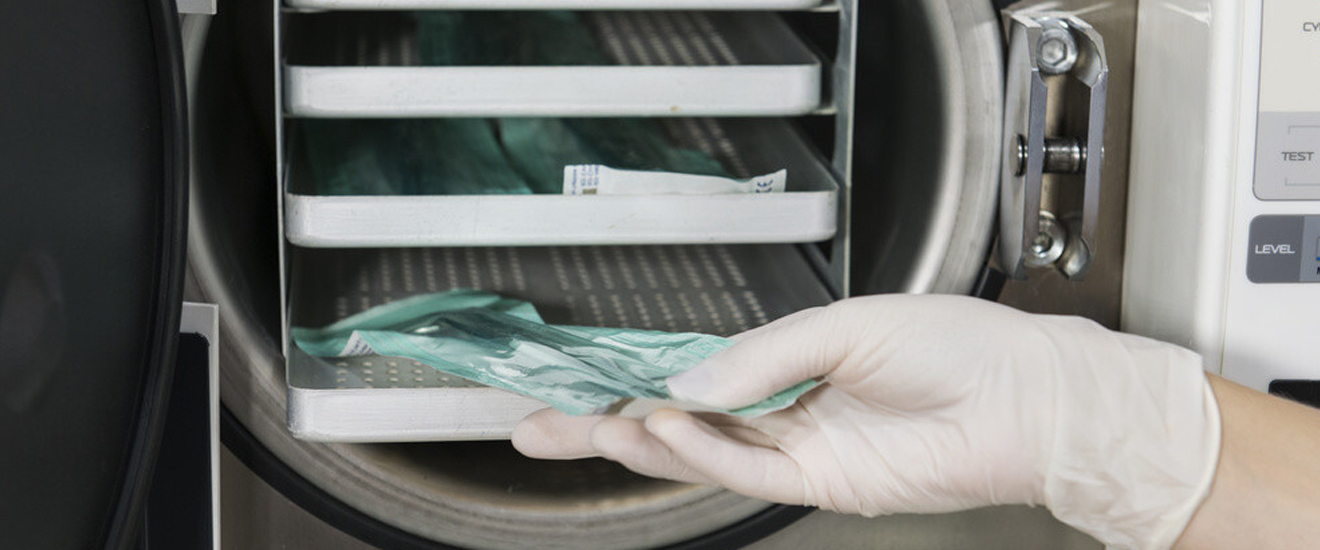
  • A dental autoclave processes suitable instruments with steam. Compare cycle options and load limits before purchase. In addition, follow the required monitoring and maintenance routine.


2. Investing in disposable dental products. Here are few things that you need to keep in mind:

  • Dental products fall into risk categories based on their intended use.
  • Non-critical items contact intact skin. Semicritical items contact mucous membranes or non-intact skin. Critical items penetrate soft tissue or bone.
  • Review where disposable dental products fit into your workflow. They can simplify selected tasks, but do not replace the full care routine.
  • Single-use products avoid reuse of those items between patients. However, correct handling and the other dental infection control steps still matter.
  • Compare the purchase and disposal costs of single-use products with reusable-item processing costs.
  • Choose dental kits according to their stated intended use. Also, check pack contents, condition and sterile status where required.
  • Protective clothing and other PPE form another part of the routine. Finally, choose products according to the task and risk assessment.
10March 2021

A paradigm shift to Disposable Dental Products: Modifying Trends towards a Safe Future

Disposable dental products give clinics an option for single-patient use. These items can simplify selected parts of preparation and stock planning. After use, discard them through the appropriate waste stream. Do not reprocess a single-use item for another patient. Also, check the label and product instructions before opening the pack.

Benefits of single-use and disposable dental products

Disposable dental products avoid reuse of those items between patients when handled correctly. They may also reduce the work needed to clean and process the instruments they replace. However, they do not remove every infection risk. Continue the full clinic hygiene routine.

Reusable instruments remain suitable when staff follow their validated processing instructions. Meanwhile, single-use options can make preparation easier for certain tasks. A fresh pack may also help explain the process to patients. Therefore, choose according to intended use rather than assuming one format suits every procedure.

Compare the full cost of both options. First, look at the purchase price and pack contents. Then, include staff time, processing materials, storage and disposal. This gives a clearer view of the practical costs. Also, consider suitable single-use alternatives when a reusable item is difficult to process correctly.

Let’s go through a few disposable dental instruments that can help instill a sense of confidence in your patients and staff:

  • Sterile GAMMA Disposable types of Dental kits

Check the sterile status, pack condition and expiry date before using a kit. The label should state the relevant product details and sterilization method. Confirm the intended procedure and contents as well. No pack replaces every instrument a clinician may need. Explore the disposable dental kits range and confirm current availability of the following formats:

  • Disposable 2 IN1 Dental Camp Kit
  • Disposable 3 IN1 Dental Diagnostic Kit
  • Disposable 6 IN1 Chair Customisation Kit
  • Disposable 9 IN1 Dental Procedural Kit
  • Disposable 35 IN1 Premium Dental Implant Kit
  • Disposable 18 IN1 Standard Dental Implant Kit


  • All disposable range

The wider range includes protective supplies and single-use instruments. Options include mirrors, probes, tweezers, suction tips and syringe tips. Other supplies include gloves, masks, gowns, bibs, shoe covers, headcaps and table cloths.

Select each item according to the task and product instructions. Also, check whether it is sterile, non-sterile, single-use or reusable. These terms are not interchangeable.

Disposable dental products can support an organised clinic workflow. However, they do not replace hand hygiene, surface care or sterilization of reusable instruments. Finally, contact Skyloc Dentec to discuss the pack options that suit your practice.

Enquire Now